.png)

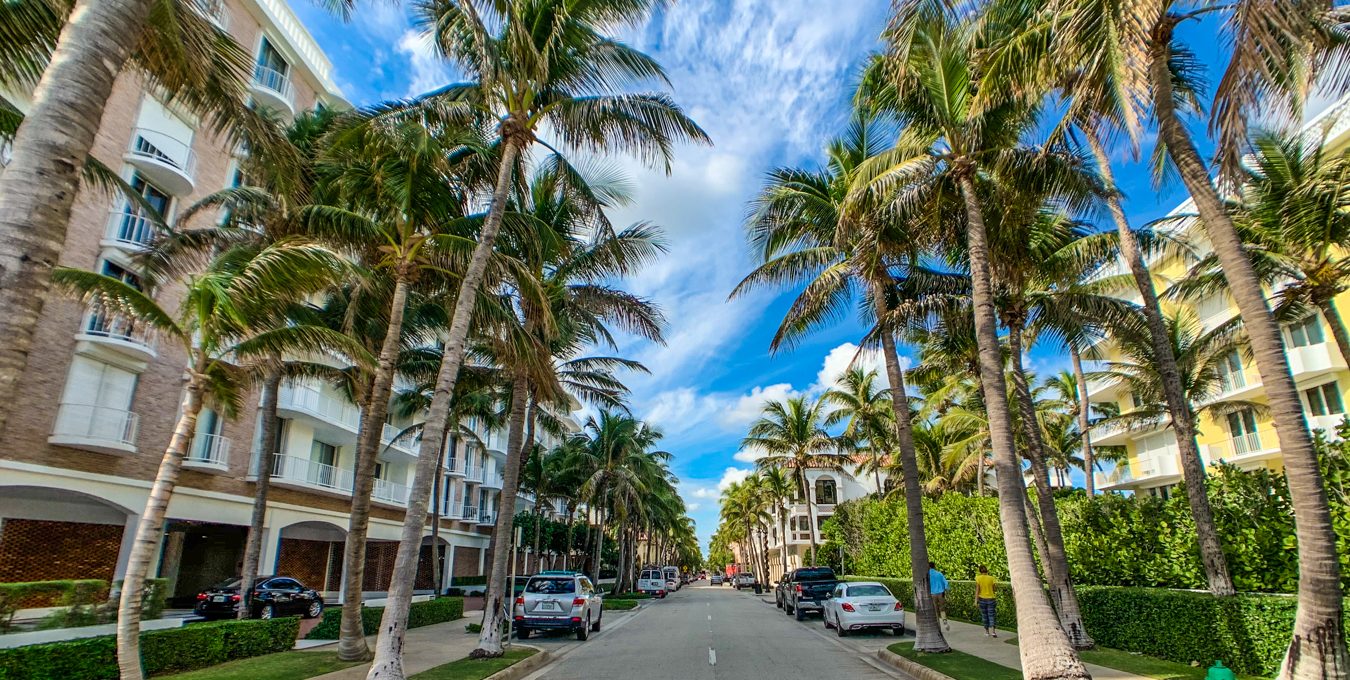
The Southeast Florida housing market has been the subject of endless speculation over the past few years. Some have predicted a crash. Others have insisted prices would keep climbing indefinitely. The reality, as usual, is more nuanced — and for those who understand where the market actually stands in 2026, there are significant opportunities to be captured.
Here’s my analysis of where we are, where we’re headed, and what it means for your next move.
The most consequential variable in this market remains mortgage rates. The Miami Association of Realtors forecasts the 30-year mortgage rate to decline to approximately 6.3% by year-end 2026, with a full-year average around 6.4%. Other forecasters, including Zillow and Realtor.com, project rates potentially dipping into the high 5% to low 6% range by late 2026 as the Federal Reserve continues its path of measured rate cuts.
This is meaningful, but it’s not the dramatic decline that some buyers have been waiting for. Rates are not returning to the 3% environment of 2020-2021. What this moderate easing does is bring more buyers off the sidelines — enough to increase transaction volume and tighten the most desirable segments of the market, but not enough to reignite the bidding-war frenzy of the pandemic era.
For buyers, the practical implication is clear: waiting for rates to fall significantly further is a bet that may not pay off, and one that risks increased competition and higher prices once more buyers re-enter the market. The old adage applies here — marry the house, date the rate. You can always refinance when conditions improve.
The divergence between single-family homes and condominiums is the defining story of the Southeast Florida market in 2026, and it will likely continue for the rest of the year.
Single-family inventory remains tight across the region. Broward County, for instance, is operating with roughly 5 months of single-family supply — below the 6-month threshold that defines a balanced market. In desirable neighborhoods, particularly those with waterfront access or proximity to top-rated schools, inventory is even more constrained. This is keeping single-family prices near record levels, and in high-demand areas, multiple-offer situations are resurfacing.
The condo and townhome market tells a very different story. Inventory has surged past 9 months of supply in many areas — firmly in buyer’s market territory. Several factors are driving this: Florida’s recent legislative changes mandating more frequent inspections of aging condominiums and requiring associations to fund structural reserves have created anxiety among owners of older buildings. Special assessments, rising HOA fees, and escalating insurance costs have pushed many condo owners to sell.
For buyers, this creates a bifurcated opportunity. If you’re looking for a single-family home, be prepared to move decisively — correctly priced properties in desirable locations still sell quickly. If you’re in the market for a condo, you have substantial leverage, particularly for newer construction in buildings that aren’t facing deferred maintenance issues.
The era of 15-20% annual price appreciation is over in Southeast Florida, and it isn’t coming back in 2026. The Miami Association of Realtors projects home price growth of 3-5% annually across the region — enough to build equity over time, but not the windfall gains of the pandemic era.
However, this number masks significant variation by geography and segment. Neighborhoods with strong migration inflows and limited inventory — think Coral Ridge and Victoria Park in Fort Lauderdale, or areas close to major employment centers — are likely to see price appreciation at the higher end of that range or above. Meanwhile, condo-heavy markets with surplus inventory may see flat or slightly declining values as the market works through excess supply.
The overvaluation question is worth addressing directly. Some analyses suggest homes in Broward County remain approximately 10-15% above long-term historical price norms. That gap is expected to narrow gradually through modest correction and stabilization rather than a sharp price drop. The structural demand drivers — population growth, wealth migration, employment growth, and Florida’s tax advantages — provide a floor that makes a dramatic crash extremely unlikely absent a severe national recession.
Florida is gaining approximately 1,350 new residents per day — a new record. Industry analysts characterize this as part of a 20-year migration pattern that is still in its early stages. The Southeast Florida region specifically benefits from this trend as the primary destination for high-income relocations from California, New York, and the Northeast.
At the ultra-luxury level, this migration is intensifying, not slowing. The recent wave of billionaire acquisitions in Miami — Bezos, Zuckerberg, Page, Brin, Thiel, and others — has created a gravitational pull that continues to attract the ultra-high-net-worth segment. Fort Lauderdale is increasingly capturing a share of this demand, particularly as its branded residential product comes online with developments like St. Regis Bahia Mar, Andare, Ombelle, and the Four Seasons.
For the luxury single-family market above $2 million, demand remains robust. For pre-construction luxury condos, the pipeline offers compelling entry points — particularly in Fort Lauderdale, where pricing still offers substantial value relative to Miami equivalents.
No honest assessment of the 2026 market can ignore the elephant in the room: property insurance. Annual insurance costs in Southeast Florida frequently exceed $5,000 and can reach $8,000 or more for homeowners, with even higher figures for certain condo buildings in flood-prone areas. These costs directly impact affordability, monthly carrying costs, and ultimately what buyers are willing and able to pay.
Legislative efforts are underway — including proposals to increase the homestead exemption and allow condo associations to access lines of credit for reserve funding — which could provide some relief. But insurance reform is a long-term structural challenge, not something that will resolve in a single legislative session. Buyers should factor insurance costs into their budget from the very beginning of the search process, and work with an agent who understands how these costs vary dramatically by location, building age, and construction type.
Miami is one of the host cities for the 2026 FIFA World Cup, which is expected to bring up to one million visitors to the region. While the immediate impact of the tournament itself will be temporary, the global attention it generates will have lasting effects on international demand for South Florida real estate.
Every major international event that has put Miami on the global stage — from Art Basel to Formula 1 to the Super Bowl — has been followed by a measurable uptick in foreign buyer interest. The World Cup will amplify that effect at an unprecedented scale, introducing South Florida’s lifestyle and investment proposition to wealthy buyers from Europe, Latin America, and the Middle East who may not have previously considered the market.
For sellers of luxury properties, the strategic play is to have your property positioned and marketed before this global spotlight arrives. For buyers, the implication is that waiting until after the World Cup buzz takes hold may mean competing against a broader pool of motivated international purchasers.
The 2026 Southeast Florida housing market is not a market for autopilot. It rewards buyers, sellers, and investors who understand the nuances — the divergence between single-family and condo, the geographic variation in appreciation, the impact of insurance costs, the timing implications of rate movements and global events.
This is a market in transition, moving from the extreme seller conditions of 2021-2022 toward a more balanced environment. That transition creates opportunity for everyone: buyers get more leverage, more inventory, and more time to make informed decisions. Sellers who price accurately and market strategically still achieve strong results. And investors who understand the structural demand drivers can position for long-term appreciation with higher confidence than in most U.S. markets.
The fundamentals of Southeast Florida have never been stronger. The key is approaching this market with data, strategy, and the right local expertise.
Connect with Omar Elsehrawy for a complimentary consultation. Whether you’re a first-time buyer, a luxury seller, or an investor evaluating the Southeast Florida market, I provide the data-driven insight and strategic guidance you need to make your best move in 2026.





.webp)